Threadwright helps you tell a story in 9:16 episodes: a cast of characters, a script for each scene, voice takes, talking clips, B-roll and captions. Post one episode at a time on TikTok, Instagram Reels and YouTube Shorts.
Pick a creator. Idea Studio gives three ideas for their topic. Tap one for its script.
Three ideas for Marcus
The belief busterMuscle soreness means you're building muscle“Everyone says sore muscles mean you had a great workout. That's wrong.”
Stop doing thisStop going heavy on day one of the gym“Stop doing your first gym session at maximum weight, because your body is not ready for it yet.”
Numbered lessons3 mistakes I made my first month lifting before I got consistent“3 mistakes I learned before I got consistent at the gym, and number one cost me six weeks.”
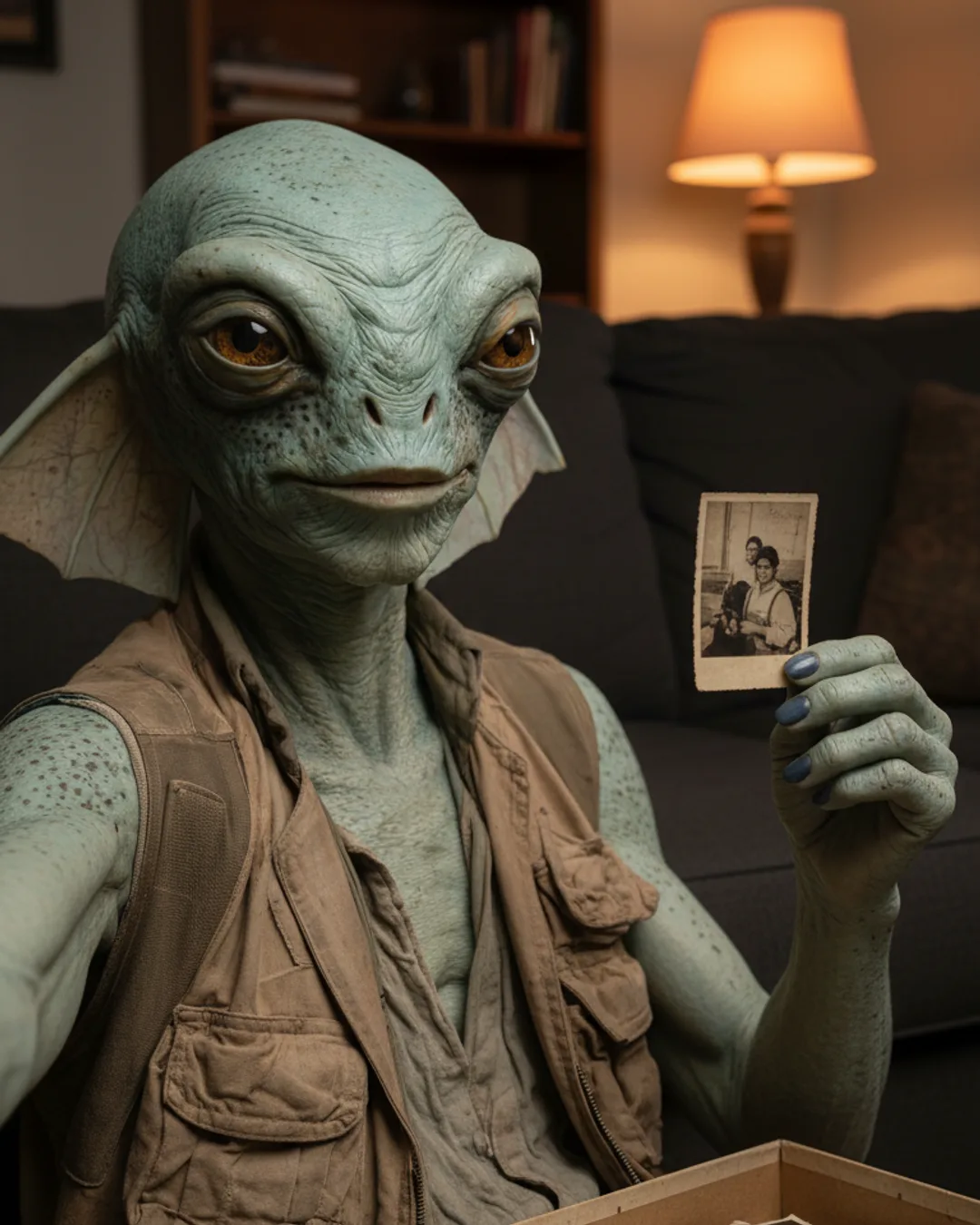
With Threadwright: A cast of characters, each made once.
Without: A story told in one long video.
With Threadwright: One beat per episode, ending on a reason to watch the next.
Without: A look that changes from scene to scene.
With Threadwright: A cartoon or realistic look kept across scenes.
From idea to final cut, one step at a time.
Threadwright is the only platform that takes you through the whole process step by step. Review, change or redo any step before the next one, or leave it all to run on its own.
Make a story series by creating each character once, writing a short script per episode, then generating voice, clips and scenes and assembling with captions. Keep each episode to one beat, ending on a reason to watch the next.
Threadwright works one reel at a time, so plan the arc yourself in a notes file.
Can I make a cartoon-style short?
Yes, within limits. A character can be described in a stylised or cartoon look and Threadwright keeps that look across scenes. Realism passes are for photo-real work, so skip them for a cartoon style.
Check each frame: stylised characters can drift in details between clips.
Do story channels have to disclose AI?
Realistic content must be labelled, and obviously fictional animation usually need not be, but the platforms decide. YouTube and TikTok describe their rules on their help pages.
YouTube's monetization policies also look for original, authentic content, so keep your own story and voice at the centre.